
Get Certified Today! – Select Your Training Type to Begin
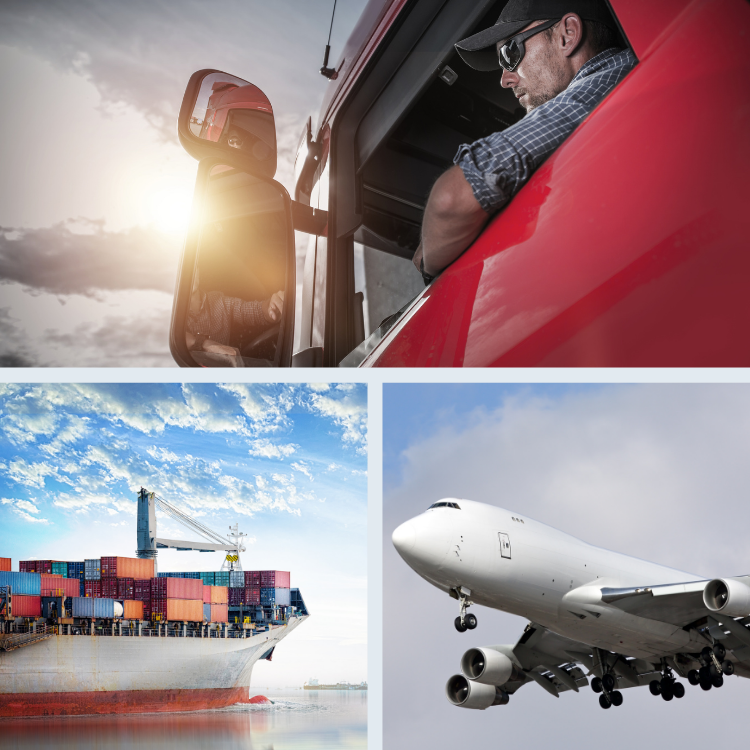
Dangerous Goods Regulations Training (DGR) is for shipping dangerous goods by ground, air or sea. Get Help Choosing The Right Training Course!
We can provide our training:
- onsite at your facility
- by a live private webinar
- Online computer based training courses
- LMS Modules dispatched to your Learning Management System (LMS).
We customize our training to focus on the dangerous goods you offer for transportation. Our goal is to simplify the regulations to what you need to be both compliant and confident in shipping.
Types of Dangerous Goods Training
IATA (International Air Transport Association) / ICAO (International Civil Aviation Organization)
Shipping dangerous goods by air internationally.
DGR Section 1.5 – Training Requirements:
Personnel must be trained and tested in the regulations equivalent to their responsibilities and must be trained prior to performing those duties.
Training must include:
• General awareness
• Function specific
• Safety
Anyone who marks, labels, packages, fills out a DGD, signs the DGD, fills the package, picks out the packaging, classifies the shipment for transportation needs to be trained!
IMDG (International Maritime Dangerous Goods) Code
Shipping dangerous goods by vessel internationally.
IMDG Code Section 1.3 – Training:
Persons engaged in dangerous goods for transport should have knowledge of the risks involved and must be trained to the level of their responsibilities.
Training is required for personnel who:
- Classify dangerous goods
- Identify proper shipping names
- Pack, mark, label or placard
- Load/unload Cargo Transport Units
- Prepare transport documents or loading/stowage plans
- Offer or accepts for transport
- Handles or carries in transport
- Loads into or unloads from ships
- Enforces, surveys, or inspects for compliance with applicable rules and regulations
- Are otherwise involved in the transport of dangerous goods as determined by the competent authority
Personnel who require IMDG Code training should be trained before assuming responsibilities and prior to receiving training only perform IMDG Code functions under the direct supervision of a trained person.
ADR (European Agreement concerning the International Carriage of Dangerous Goods by Road)
Shipping dangerous goods by road in Europe.
ADR Manual Section 1.3 Training:
Persons whose duties affect the carriage of dangerous goods must be trained in the provisions that pertain to their responsibilities and duties.
- Employees must be trained before assuming duties and responsibilities
- Prior to receiving training, may perform related duties only under the direct supervision of a trained person
- Verified for new employees
- Refresher training is required according to the requirements of the competent authority
TDG (Transportation of Dangerous Goods)
Shipping dangerous goods by ground in Canada.
TDG Section 6.2 – Adequate training:
A person is adequately trained if the person has sound knowledge of the following topics that relate directly to the person’s duties and to the dangerous goods involved in those duties:
- Classification criteria and test methods
- Shipping names
- Schedules 1, 2, and 3
- Shipping documents and train consist requirements
- Dangerous goods safety marks
- Means of containment
- ERAP requirements
- Reporting requirements
- Safe handling and transportation practices; dangerous goods characteristics
- Proper use of equipment used to handle or transport dangerous goods
- Reasonable emergency measures to reduce or eliminate public danger
- Aspects of training for air (ICAO) and marine transport (IMDG)
DOT (Department of Transportation)
Shipping dangerous goods by ground in the United States.
§172.704 Training Requirements:
Hazmat employee training must include the following:
- General awareness/familiarization training
- Function-specific training
- Safety training
- Security awareness training
- In-depth security training
Anyone who marks, labels, packages, fills out a shipping paper, signs the shipping paper, fills the package, picks out the packaging, classifies the shipment for transportation needs to be trained!
Choose the perfect Training plan
Speak with a Dangerous Goods Expert Today
We are dedicated to providing high quality training to individual employees or large corporations alike.
If you have any questions contact us at 412.249.1111 or info@hazmat-1.com.
We are here to help simplify the process for you!