Your Privacy Matters, and OSHA Agrees. For those of us who employ 250 or more employees, you are no longer required to electronically report injury and illness data from OSHA Forms 300 and 301 (you are still required to …


Your Privacy Matters, and OSHA Agrees. For those of us who employ 250 or more employees, you are no longer required to electronically report injury and illness data from OSHA Forms 300 and 301 (you are still required to …

Don’t Leave Your Compliance Up to Chance Have you ever heard the saying “chance favors the prepared mindâ€? It’s a saying that Louis Pasteur famously coined and commonly translates to good fortune is not left up to chance (or luck). …
PHMSA’s Response to Petitions The regulated community has spoken and PHMSA has answered! The US DOT Pipeline and Hazardous Materials Safety Administration (PHMAS) has issued a Final Rule to amend HMR, 49 CFR parts 171-180 on November 7, 2018. …

Final Rule RIN 2015-AE70. What is it and how does it affect me? RIN 2015-AE70 is a final rule issued by the Office of Pipeline & Hazardous Materials Safety Administration (PHMSA) on November 27, 2018. The rule addresses the Revisions …

Whether shipping a hazardous material by ground, rail, air or vessel many factors play a role in determining which provisions of the regulations will keep your shipments in compliance. Regulations, by their very nature, can be confusing to interpret no …
On July 27, 2017, the U.S. Department of Transportation’s Federal Motor Carrier Safety Administration (FMCSA) published a Federal Register notice announcing a 24-month Crash Preventability Demonstration Program to review the preventability of certain crashes. The FMCSA is requiring motor carriers …

Companies who produce, distribute, sell or recycle hazmat must have strict internal operations and security plans, that ensure safe processing and handling of all chemicals – they must also arrange for safe transportation of their chemical components. This often requires …

Regulatory Compliance Audits And Why They’re Important The last thing you want is to fail a compliance audit. Hazardous materials are a serious matter and auditors will not overlook any issue that could pose a danger. Not only will failing …
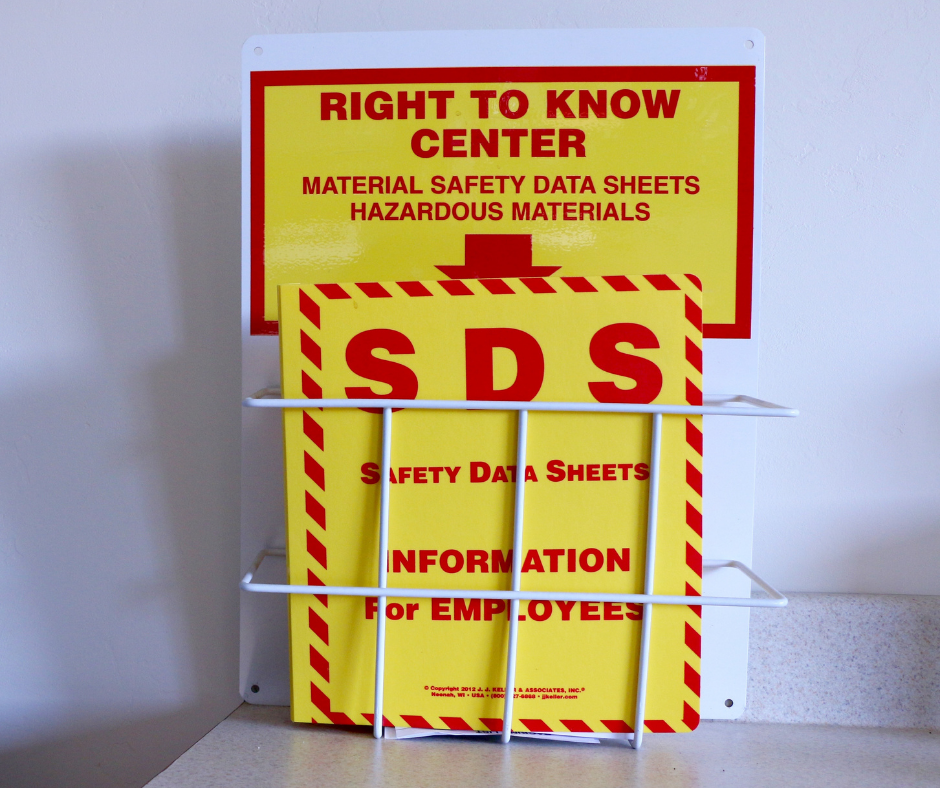
Material Safety Data Sheets (MSDS) have long been in use as the standard hazard communications platforms that accompany chemicals and volatile items in transit – commonly used by chemical manufacturers & distributors as a means of notifying handlers and end …
It’s no surprise that businesses who handle hazardous materials and items of HAZMAT are heavily regulated by the federal government. These regulations also apply to organizations that transport hazardous materials where the risk of public exposure to contaminants is greatly …